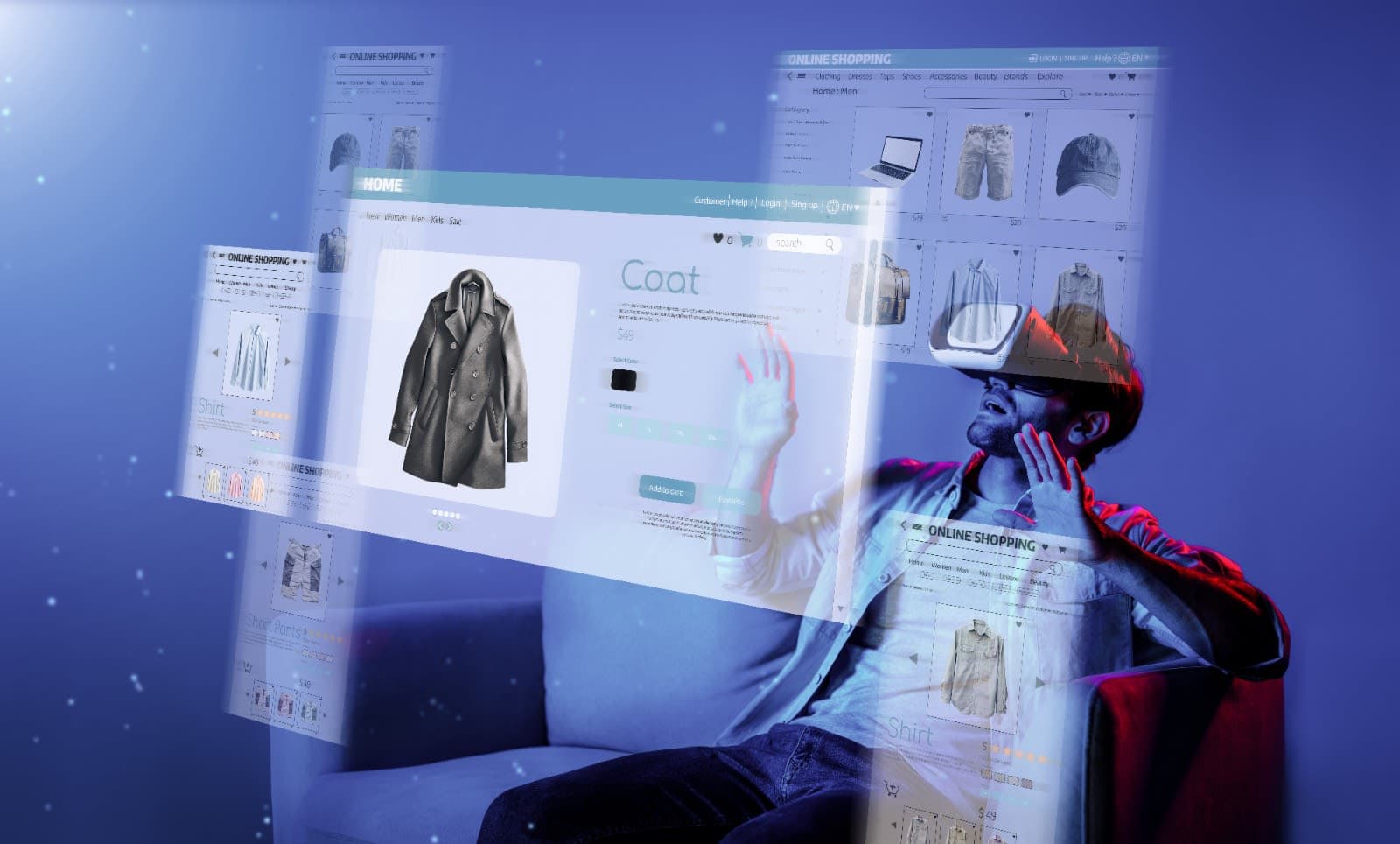
Online retail stopped being a manual job
Product listings and discount codes used to be enough. Not now. The stores that do well in 2025 predict, personalize and automate, and artificial intelligence is the part doing the predicting.
This holds at any size. One Shopify store run on your own, or a global brand with a team behind it. AI now drives recommendations, real-time support, inventory planning and marketing. What comes out the other side is more conversions, less manual work, and a better experience for the person trying to buy something.
What the shopper sees
One-size-fits-all merchandising is finished. AI watches what a visitor views, clicks and abandons. It learns from past purchases to suggest similar or complementary items, and it adapts as preferences shift inside a single session. Upsell and cross-sell logic on top lifts average order value. Amazon is the famous case, but a small store can do the same now with Clerk.io, Nosto or Shopify's own AI features.
The question-and-answer bot has grown up. Modern chatbots sit on product pages, in checkout and in Facebook Messenger. They behave like sales assistants. They answer product questions on the spot. They handle objections, recover abandoned carts with a reminder or an incentive, and process returns and support tickets without a human touching them. They also capture leads from first-time shoppers who would otherwise leave without a trace. Tidio, Gorgias and Heyday by Hootsuite are built for e-commerce specifically.
A traditional search bar matches strings. AI search reads intent. It corrects typos. It returns sensible results for vague phrasing, so that someone typing black party dress gets a curated set instead of an empty page, and it filters dynamically against what it already knows about the shopper. It improves as it sees more queries. Algolia, Searchanise and Klevu bring that to stores of any size.
Shoppers can also search with a photo. Upload an image, get visually similar products back. That strips a lot of friction out of discovery, particularly in fashion, home decor and lifestyle, where describing the thing you want is the hard part. Sessions run longer. It works best on a phone, where the camera is already in hand. Syte.ai, Pinterest Lens and Google Cloud Vision pushed visual search into the mainstream.
What the store does behind the scenes
Overstock ties up cash. Understock loses sales. Most retailers manage both at once, in different categories. AI inventory tools read historical sales, seasonality and trend data to predict demand, monitor supplier performance and delivery timelines, trigger reorders when something runs low, and suggest bundles or markdowns to move deadstock before it becomes a write-off. The effect on cash flow is the whole point.
Prices can move with demand, competition, customer segment and time of day. That means more revenue on high-demand items. It also means an instant discount for a price-sensitive shopper who would otherwise bounce, flash sales and urgency triggers that fire without anyone pressing a button, and personalized incentives aimed at carts about to be abandoned. Booking.com and Walmart have run this way for years. Prisync and Intelligems put it within reach of a smaller brand.
Fraud gets caught at checkout. AI watches behavior in real time and flags it without turning away legitimate buyers. It notices unusual IP addresses, geolocation mismatches and order patterns that do not fit, routes the questionable ones for review, and blocks bot-driven attacks and fake accounts. Chargebacks and false declines come down together. Signifyd, Riskified and Kount integrate directly with the major platforms.
What happens after the first order
Hand-built segments are obsolete. So is the identical send to the whole list. AI marketing tools segment by behavior, interest and lifecycle stage without being asked. They predict when a particular person is most likely to open or click, personalize the products shown inside the message, and test subject lines with language models. Klaviyo, Omnisend and Mailchimp AI make that workable for brands with nobody dedicated to email.
Lifetime value can be predicted early. Models estimate it from a customer's first few interactions. That tells you where the marketing budget should go. Loyalty programs get tailored. High-value customers get perks worth having, lapsing users get a win-back campaign before they are gone for good, and discounts go to the people whose LTV justifies them rather than to the whole list. Ad spend gets more efficient. Retention work returns more.
Then there is voice. Alexa, Google Assistant and Siri have turned it into a real channel. Customers reorder regular items by speaking, check order status and availability without touching anything, and discover products conversationally. Show me blue sneakers under $100 is a query a store can answer today. Shopify Voice and Amazon Alexa Skills are where the larger platforms are experimenting.
AI is the new store manager
Support, discovery, pricing, inventory, personalization. There is no part of running a store that AI does not reach. And unlike most of what gets sold to retailers, it produces numbers you can check against last quarter:
- Higher conversion rates
- Lower customer support costs
- Better inventory turnover
- Stronger retention and lifetime value
If you are building or scaling an online store in 2025, none of this is a roadmap item for next year. It is where the competitive difference is being made right now.
Building something like this?
Tell us what runs today and where it hurts. An engineer reads it and replies.