Someone has visited your store three times this week. Someone else has never seen it. Should they get the same homepage? That is the argument for hyper-personalization, and you can have the rest of this post or you can have that sentence. Generic storefronts stopped working a while ago, and customers now turn up expecting the recommendations, offers and interactions they have already earned through their own behavior, which means they also notice when a site has clearly not been paying attention.
It is not the personalization you already do
The old version worked from segments. Age, location, gender, a past purchase category. Useful, up to a point, and that point arrives early. Hyper-personalization works from behavior as it happens, running machine learning over live interaction data instead of a profile assembled at signup. Here is the difference in one example. Segment-based personalization shows women's shoes to every woman on the site. The other kind reads what this specific person has been browsing, what they bought last time and the price range where they stop hesitating, then puts one pair of sneakers in front of them at a price they will not think twice about. Same category. Completely different conversation.
At Villaex Technologies we build what sits underneath that: e-commerce systems that read customer behavior and respond while the session is still open.
Recommendations that earn their slot
A recommendation model reads browsing behavior, purchase history and engagement, then decides what to show, and done properly it lifts average order value and conversion at the same time, because the products on screen happen to be the ones the customer was already drifting toward and nobody had to be persuaded of anything. That is the whole trick. Amazon is the standing example here. Its recommendation engine now carries a serious share of the selling.
Offers, and the hour you send them
Predictive models can estimate what someone is likely to buy next and roughly what it would take to close it. Which turns a blanket promotion into a specific one. The right discount, the right upsell, sent at the hour that person actually shops rather than the hour your campaign calendar happened to have free. Timing does most of the work. Sephora does this with beauty products. Skin type, purchase history, where the season sits.
Pricing that moves while you watch
Dynamic pricing applies the same reasoning to the number on the page. A model weighs competitor prices, demand and how a shopper is behaving, then sets a price that holds your margin without handing the sale to somebody down the road, and personalized discounts are the gentler version of the same idea. You have already met this, incidentally: Uber's surge pricing is the version everybody has an opinion about, and it is also the clearest demonstration of why the technique works at all. We integrate pricing optimization where it earns its place, which is usually where margins are thin and stock moves fast.
Chat that has actually read the catalog
A chatbot with natural language processing behind it does more than route a ticket. It reads what a customer is asking for. It suggests products that fit. It answers the question that would otherwise have ended the session, and it catches the hesitation that turns into an abandoned cart twenty minutes later when nobody is looking. H&M's shopping assistant is the plain version of this: the shopper describes what they want and gets taken to it. Our chatbot work is built on NLP for exactly that reason, with engagement as the point and support as the byproduct.
What does it look like when a company commits? Nike runs machine learning across the whole customer relationship: custom sneakers designed to a shopper's own preferences, apparel suggestions drawn from past purchases and browsing, training programs built around the individual using the app. Starbucks does something narrower and sharper. Drink recommendations that account for weather and time of day. Loyalty rewards issued when they are likely to bring someone back. Voice ordering handled by AI. Both work. Neither is doing anything a smaller brand cannot do at a smaller scale, and we help brands build personalization engines sized to their own catalog.
What is arriving next
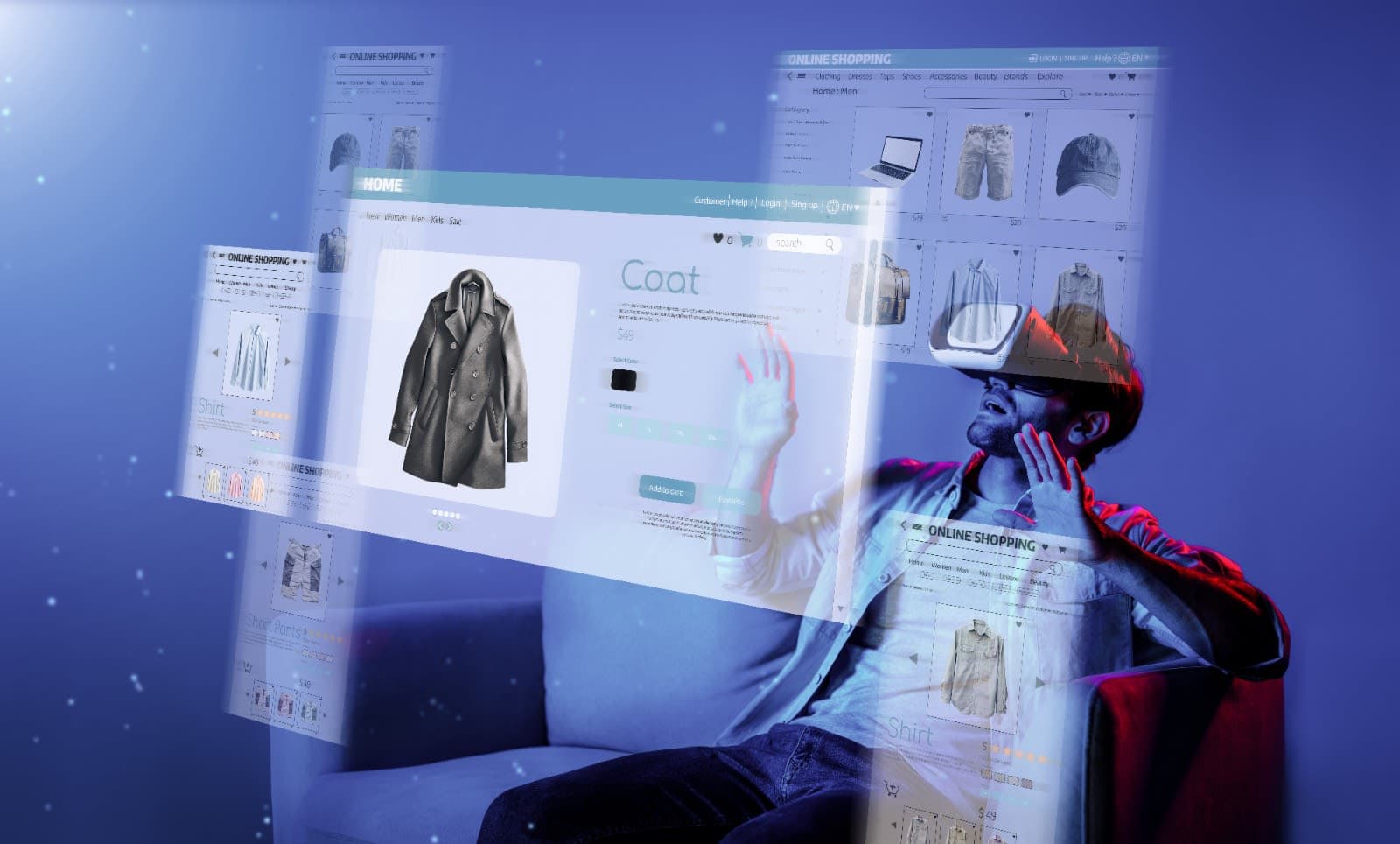
Four things are close enough to plan around. None of them is far off. Virtual shopping assistants combining AR with AI, so a customer can see a product in their own room and ask about it in the same breath. Emotion AI, reading facial expression and sentiment and adjusting recommendations off the back of it. Voice commerce, where the search and the purchase both happen out loud. And loyalty programs that work out for themselves who gets rewarded and when, based on engagement rather than a fixed points table.
Wait long enough and you will be competing against stores that already know what your customers want. That is the real risk. We work with e-commerce teams on the personalization, automation and predictive analytics that close the distance. Start before the gap turns up in your numbers.
Building something like this?
Tell us what runs today and where it hurts. An engineer reads it and replies.