Media and entertainment

We build the systems behind catalogues, audiences and live players

Villaex builds software for publishers, studios, streaming services and games: rights and catalogue tooling, audience data platforms, and real time multiplayer, including a board game we built and shipped ourselves.

The sector

Catalogue, audience and platform are one system

Media businesses run on a catalogue and on the rights that decide what the catalogue is allowed to do. A title is licensed for a territory, for a window, sometimes with a holdback that keeps it off one platform while another carries it. When that logic lives in a spreadsheet and a few conditionals in the app, something eventually ships where it should not.

The audience side is a data problem. Events arrive from apps, players, web and partner feeds in bursts that follow releases rather than office hours. Product, finance and marketing each count a view slightly differently, so the reporting argument outlasts the release it was about. Fixing that is warehouse work, not dashboard work.

Villaex works in this space as a product company, not only a contractor. We built and shipped a multiplayer board game of our own, with matchmaking, in match chat and the live ops tooling behind it. Running our own title means we carry the parts studios care about: latency, reconnects, store review and players who notice everything.

What makes it hard

The constraints that shape media and entertainment systems

Rights that expire by territory

A title expires in one territory and stays live in another. Windows, holdbacks and versions have to be data the platform reads at request time, not conditionals someone remembers to update before a release.

Traffic that arrives all at once

Load follows releases, not office hours. A finale, a launch or a tournament arrives as a spike, and capacity sized for a normal evening falls over on exactly the night the audience is watching.

Metadata that never quite agrees

The same episode carries a different identifier in the CMS, the ad server, the royalty system and the partner feed. Matching them by hand works until a catalogue grows, and then the mismatches only surface downstream.

Royalty numbers a licensor can check

A rights holder invoices against numbers your platform produced. Plays must be attributed to the right title, version and territory in a form a licensor can check. A mismatch found after payment is a contract conversation, not a bug.

What we build

Systems we ship for media and entertainment teams

Rights and catalogue systems

A catalogue service that holds titles, versions, territories, windows and holdbacks, and answers the same question for every surface: can this be shown, here, right now, to this subscriber.

Audience and consumption data platforms

Event pipelines from apps, players and partner feeds into a modelled warehouse, with agreed definitions for a play, a session and a completion, and dashboards that finance and product both accept.

Games and real time multiplayer

Matchmaking, authoritative game state, in match chat and reconnect handling over websockets, plus the live ops tooling to run rewards, events and store builds without shipping a new client.

Scheduling, entitlement and playback

We build the scheduling, entitlement and playback layer around your encoder, packager and CDN, not the video plumbing. An editor schedules an episode for a territory and a date, and the entitlement check and the takedown follow from that record.

AI over the archive

Search and tagging across scripts, transcripts and back catalogue, grounded so every answer points at the source file, plus voice and support agents that handle subscriber and billing questions.

Proof

Screens from systems in production

9:41
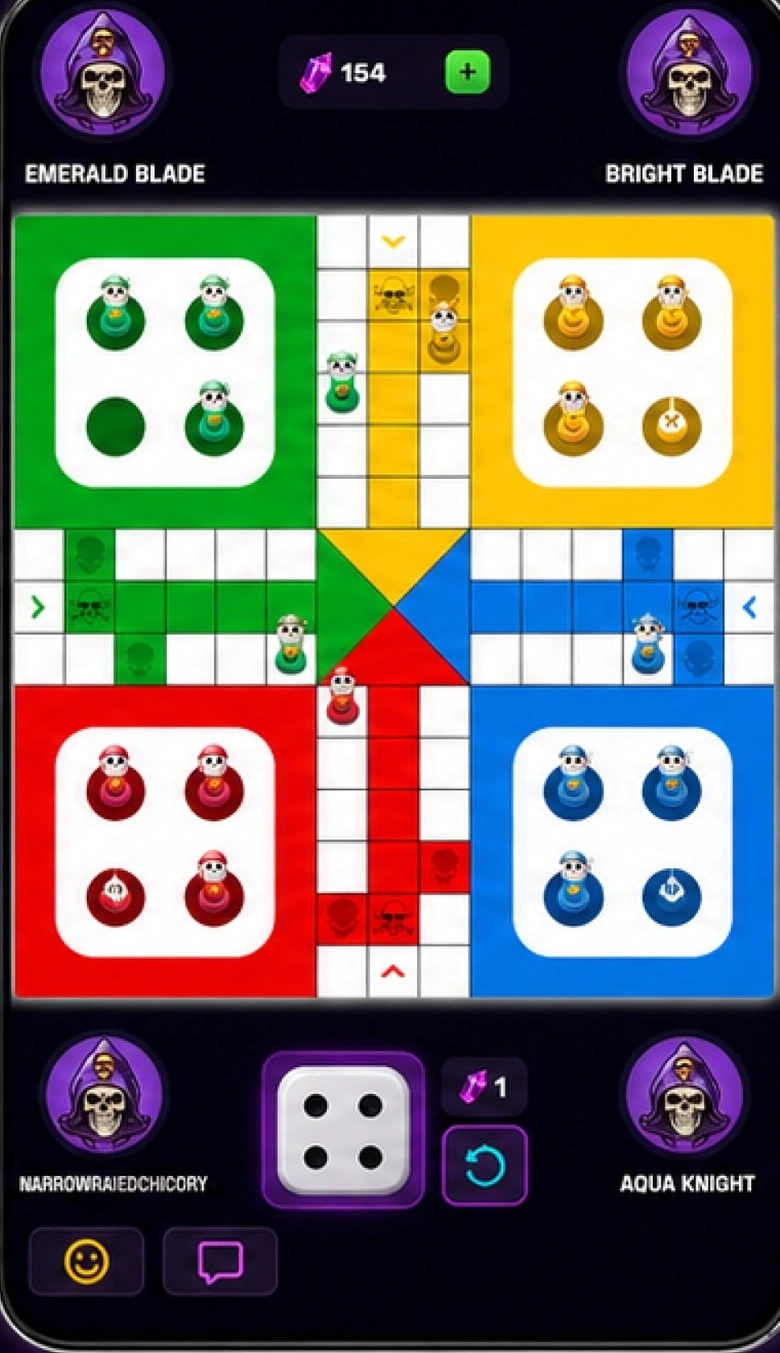
Skulls Ludo board mid-match with four players and the dice roll
Mobile Game · Skulls Ludo

A multiplayer ludo experience designed for retention

Skulls Ludo is a mobile board game on Google Play with a skull-themed art direction and real-time multiplayer. Three modes, classic, rush and team up, run with two or four players, and matches carry in-game chat, emoji reactions and credits earned from wins, challenges and daily play.
9:41
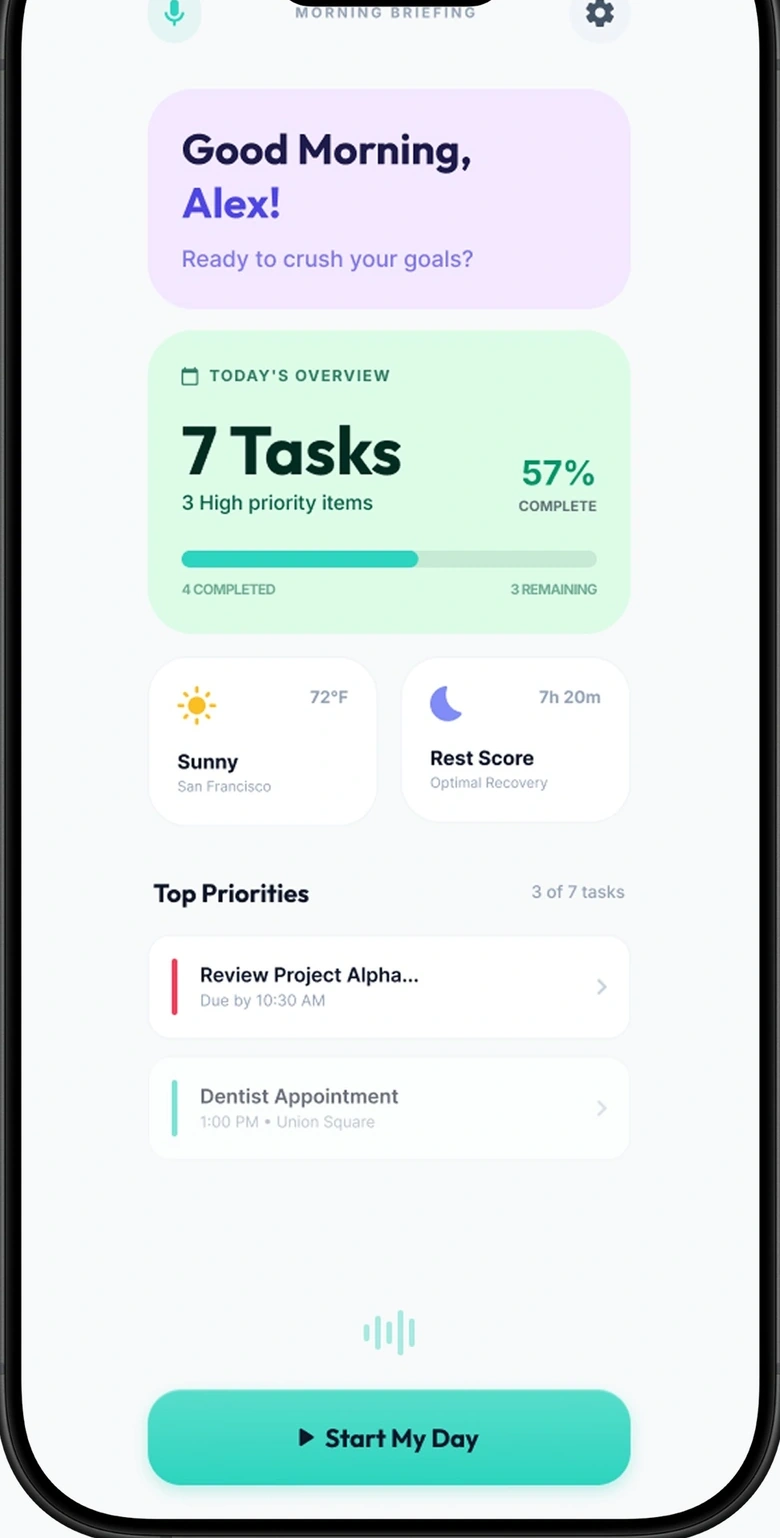
Ping Me morning briefing with the day's task count and top priorities
Voice Assistant · Consumer Mobile

A morning briefing you can talk to

Ping Me is a voice-first capture app on Google Play. You speak a task, a reminder or an idea, the app works out which of the three it is, files it with a date and time, and pings you at the right moment. The briefing screen then ranks the day so the first thing you see is what actually matters.

FAQ

Questions we get before we start

Still unresolved? A 30-minute conversation with an engineer usually settles it faster than another page of copy.

Yes. We built and shipped a multiplayer board game of our own, client, servers, matchmaking and the live ops tooling around it. Real time play means latency, reconnects and cheating are our problems, not a vendor's, and a store release has to pass review like any other. The constraints we describe on this page are ones we carry ourselves, not ones we read about.

We treat rights as data. Titles, versions, territories, licence windows and holdbacks live in a catalogue service, and every surface asks it the same entitlement question before it renders or streams anything. Changes to a deal become a record, not a code change. That keeps the logic in one place you can query, audit and correct when a partner disputes what was available.

We ground it. Retrieval runs against your own scripts, transcripts, metadata and contracts, and answers cite the file and passage they came from, so an editor or a rights manager can check them. Anything that touches licensing or royalties goes to a person before it becomes a decision. Tagging and search are where this pays off first, because both are slow and manual today.

We work as one team, with overlap hours agreed up front. Most engagements start narrow. We model the rights, stand up the entitlement service and put one surface behind it before anything else moves. Whether that runs as a project team or as engineers sitting inside yours is your call, and the code is yours either way.

Building something for media and entertainment?

A 30 minute conversation with an engineer is usually enough to scope it honestly.