Web development is being pulled in several directions at once this year. AI-driven personalization, progressive web apps and a newer generation of frameworks are all changing what a website is expected to do, and the companies picking them up early are the ones setting the terms of customer engagement. Villaex Technologies builds web platforms around these shifts. Here is what is actually moving in 2025.
Personalization driven by AI
AI has stopped being something websites talk about and started being something they run on. A site built this year does not have to serve the same layout and the same copy to everybody who arrives; it can adjust interface elements, recommendations and interactions against what a visitor is doing at that moment. Three things follow. Content gets delivered dynamically and tuned to preference, so no two visits look quite the same. Interfaces become conversational, with chatbots and voice assistants handling the kind of question that used to open a support ticket. And the experience turns predictive, the system anticipating a next action and rearranging the page to support it. Sites that do this well see higher conversion rates and deeper engagement.
Progressive web apps
The line between a website and an app keeps thinning. Progressive web apps take the useful parts of a native app, meaning speed, offline capability and the feel of a real application, and deliver them through the browser with nothing to download. Caching and service workers bring load times close to instant. Key features keep working when the connection drops. And unlike a native app, a PWA is indexable by search engines, so it turns up in results the way a website does.
Twitter and Starbucks have both shipped PWAs and seen performance and retention improve on the back of them. Expect more companies to follow this year.
Web3 and decentralized development
Blockchain has produced a category of application that runs without a central owner. Decentralized apps make the transactions underneath them verifiable and hand control over personal data back to the people it describes. In practice that means smart contracts automating agreements with no intermediary to pay, decentralized identity giving users authority over who sees what, and tokenized ecosystems where digital assets and cryptocurrency move inside the product itself. Businesses building on those principles are early to a version of the web where the user holds the keys.
No-code and low-code platforms
Pressure for faster delivery has made no-code and low-code genuinely useful. Deployment drops from months to days. Project cost falls when the work no longer requires a full development team, and marketers or operations staff can build and maintain what they need without waiting in a queue for engineering time. These platforms will not replace conventional development. What they do well is prototyping and small to mid-scale projects, and for most companies that is a large share of the work.
Websites with a smaller footprint
A website has a carbon cost. As scrutiny of digital emissions grows it is becoming something companies get asked about, and green web development turns out to be mostly a question of efficiency, with the pleasant side effect that an efficient site is also a fast one.
- Lightweight code and efficient hosting, so servers do less work per request.
- Dark mode and low-energy interfaces, which draw less power on OLED screens.
- Hosting on data centers running renewable energy.
Companies that adopt these practices appeal to customers who care about the question, and contribute to a less wasteful web on the way.
Motion and interaction design
Static pages are giving way. Motion UI uses animation, transitions and dynamic page elements to change how a site is read. Subtle movement guides attention through content. Microinteractions give visual feedback on a hover or a wait, so the interface acknowledges what somebody just did, and the whole treatment gives a brand somewhere to be memorable. The goal is an experience immersive enough that people remember having had it.
Security and privacy by default
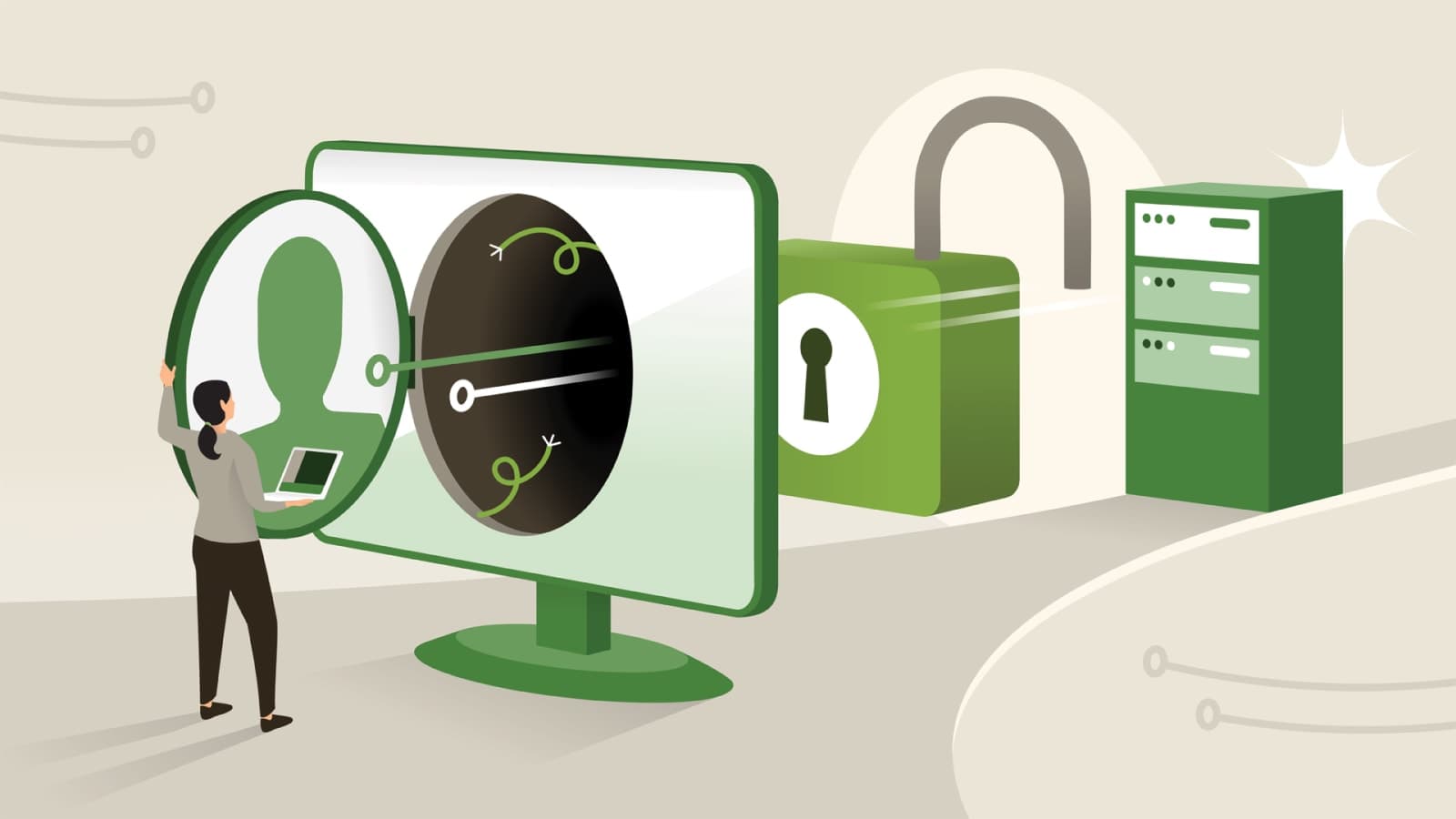
Cyber threats keep increasing. Privacy-first development has become a requirement rather than a preference. Zero-trust models verify every user and every device before granting access to anything at all. End-to-end encryption protects communication and transactions in transit. Compliance with GDPR, CCPA and the other data protection regimes has to sit in the design from the start. Companies that take data security seriously build trust and keep customers at a time when both are harder to hold on to.
Which of these belong on your roadmap
AI, PWAs, Web3, low-code, sustainability, motion UI and security are the seven pressures on web development going into 2025. Few companies need all of them at once. The ones that pick the two or three suited to their own customers take the competitive edge, the engagement and the growth that come with getting there first.
Villaex Technologies builds digital experiences around these shifts, whether that means a high-performance PWA, AI-driven personalization or a Web3 integration for a product that needs one. If you know which one your site needs next, we can build it. If you do not, that is the conversation worth having first.
Building something like this?
Tell us what runs today and where it hurts. An engineer reads it and replies.