A bad first visit is usually the last one. UX and UI design decide whether somebody stays long enough to buy anything, and whether they come back after that, which puts the work a long way up the list of things a business has to get right. Traditional design struggles here. It adapts slowly. It works from assumptions about users that have often expired by the time the design ships.
AI changes the pace of that work. Automation, predictive analytics, personalized journeys. At Villaex Technologies we use AI automation services to build digital experiences that hold attention and convert.
What AI-powered UX/UI design means
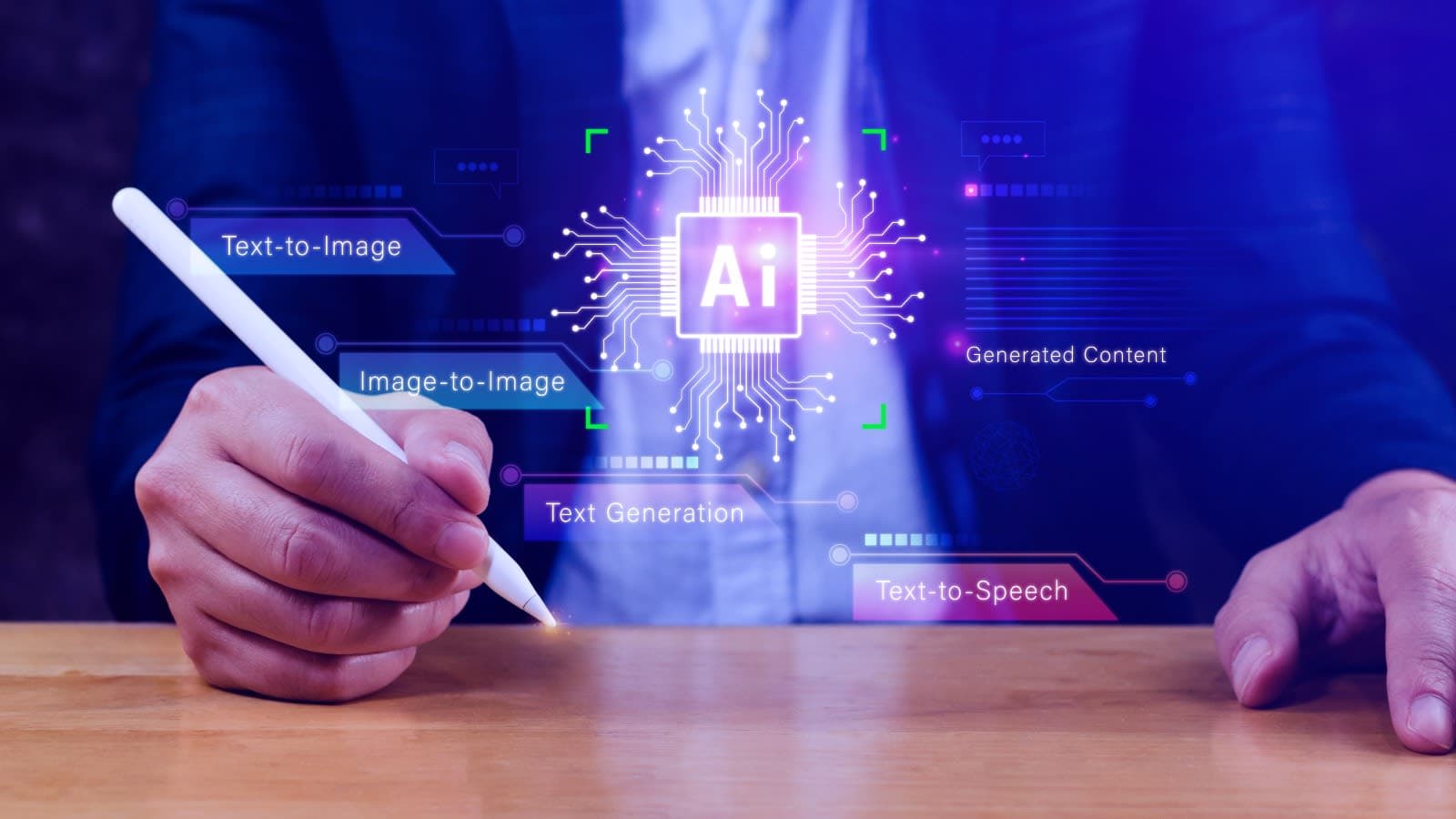
It means putting machine learning, predictive analytics and automation into the design process itself. The finished product is where people notice it. The process is where it changes things. That is the shift.
Four places, mainly. Personalization first: the system reads preferences, behavior patterns and engagement history, then adjusts what each user sees. Then automation, where algorithms handle wireframing, prototyping and user testing so a team gets through more iterations in the same week. Then prediction. Analytics anticipate how people will interact, and designers fix the problem before it reaches production. And accessibility, where intelligent systems make an interface work for people with very different requirements.
We build custom web applications and mobile products with all four of these in the design process from the start, rather than bolting them on when somebody complains.
Where it shows up
Personalization runs on prediction. AI reads clicks, browsing habits and purchase history at a volume no design team could review by hand, then predicts what one person wants. The interface follows. Users stay longer. Conversion improves, because the recommendations are relevant. Netflix and Amazon built their loyalty on exactly this. Our AI automation services bring the same predictive personalization into client platforms.
Testing is the second place. Manual UX testing is slow and inconsistent. Run the same scenario forty times and you will miss things. AI-driven platforms run those scenarios automatically, surface the flaws and inconsistencies immediately, and keep learning from each round, so testing gets sharper as the product matures instead of degrading as the person running it gets bored. Bored testers miss bugs. Airbnb refines its interface this way. It is why booking feels as frictionless as it does. We automate UX/UI testing for one reason: fewer defects reach users.
Chatbots are a design surface now. A good one holds a natural conversation and answers instantly, at any hour. It absorbs the routine questions. Human staff keep the problems that need a person. No wait. The Starbucks chatbot takes orders by text or voice. Convenience is the entire point. Our chatbot development work aims at the same thing: conversational UX that improves service without making customers wait.
Accessibility is the fourth. AI lets an interface accommodate the person in front of it. Voice recognition and voice navigation open a product to anyone who cannot comfortably use a touchscreen or a mouse, and real-time translation and language detection extend it across markets. Contrast, spacing and text size adjust for users with limited vision. Siri is the example most people have already used, built so that Apple products work for a wide range of abilities. We do the same for one practical reason. A product more people can use reaches more people.
Putting it into a design process
Adopting this in an existing team works best in order.
- Define the UX/UI goals. Name the problems AI should solve, whether personalization, automation or accessibility. Rank them against user needs and business objectives.
- Instrument the product. Track behavior and preferences. Use AI tools to turn that into design decisions rather than dashboards nobody opens.
- Adopt prototyping tools that generate wireframes and interactive prototypes from user feedback and data.
- Automate the testing. Run it regularly rather than only before a launch.
- Keep monitoring after release. Predictive analytics catches shifts in user behavior while they are still small.
We can take an organization through each of those steps and build the AI-driven design work around what the business is actually trying to achieve, which is the part most tool vendors skip.
What is coming
Generative AI is starting to produce interface layouts that adapt in real time to how somebody is actually using them, which is a different thing from a responsive breakpoint. Emotion recognition is further out. Give it time. Systems read a user's emotional state and change the experience in response. AR is getting personalized too, with immersive content shaped to the individual. We fold these in as they become practical.
AI gives designers a way to deliver personalized, accessible, genuinely intuitive experiences. Manual processes cannot match the speed. The companies adopting it now will stand apart from the ones still guessing at what their users want.
Building something like this?
Tell us what runs today and where it hurts. An engineer reads it and replies.