AI, AR, and VR Are Converging in App Development
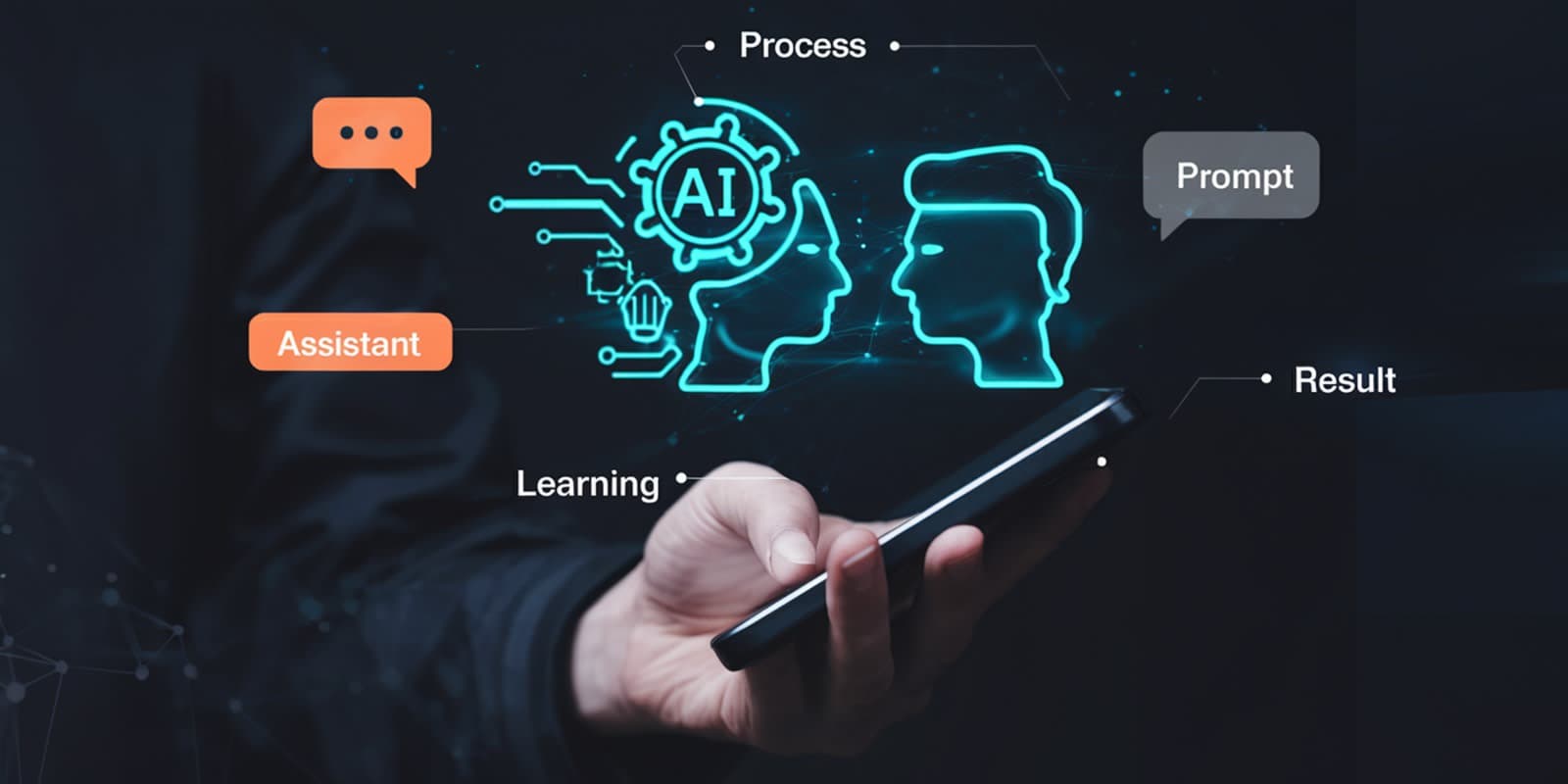
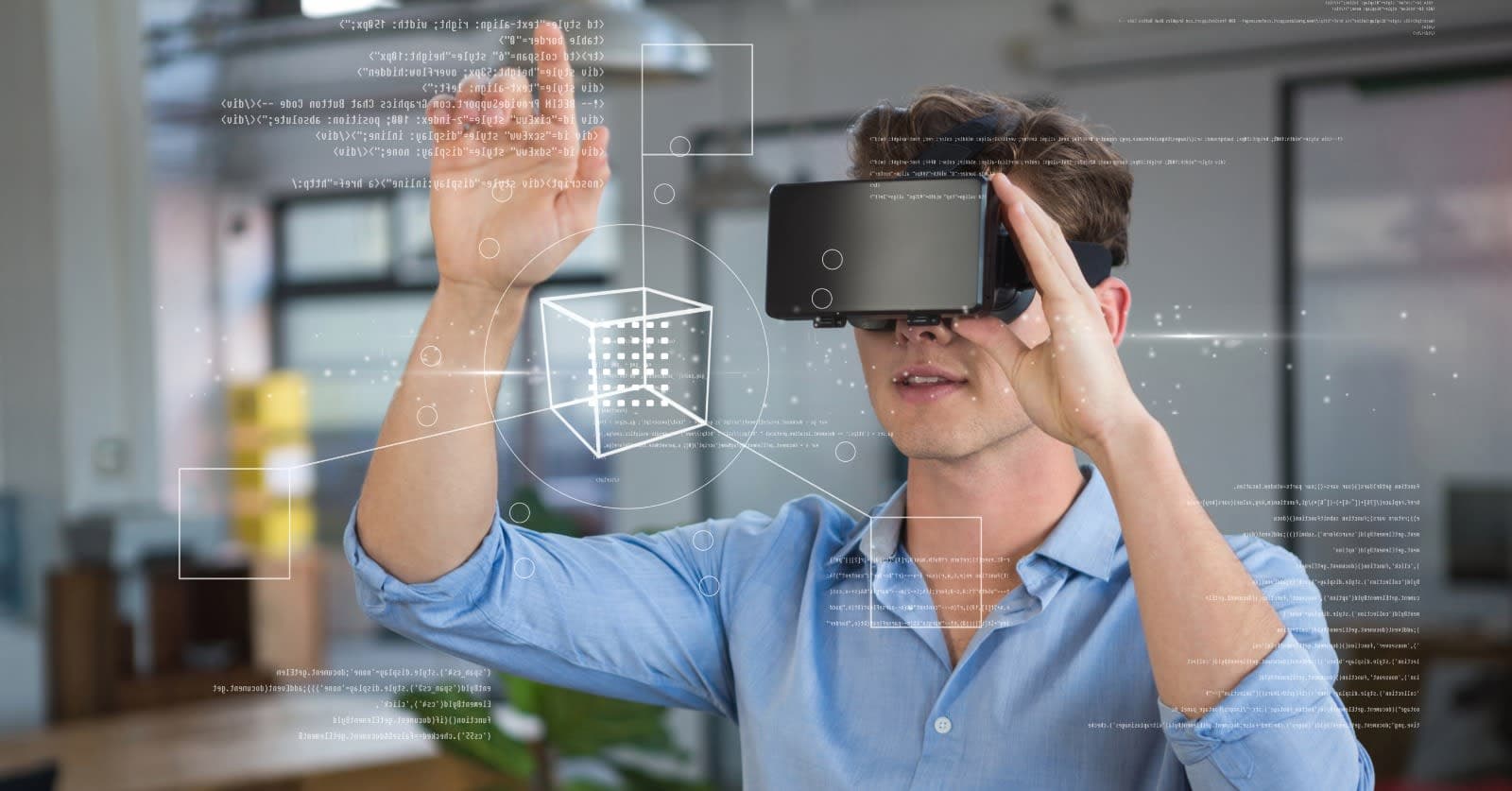
Apps that recognize the objects around you in real time, build convincing virtual worlds, and anticipate the immersive content a user wants next are already shipping. The reason is the overlap between artificial intelligence, augmented reality and virtual reality. Each one makes the other two more useful. The market for AR and VR keeps growing, and AI-driven mobile applications have become the backbone of engaging digital experiences, which means the question for most product teams has stopped being whether to use any of this and turned into which part of it to use first. Businesses that combine all three get a genuine competitive advantage out of it: apps that are personalized, immersive, and worth opening a second time.
Villaex Technologies works in AI-powered application development, AR and VR integration, and immersive software that changes how a user experiences a product.
What AI Contributes to an AR or VR App
AI is what makes an immersive app smart rather than merely rendered. Its algorithms analyze surroundings fast enough to position virtual objects correctly inside a real-world context. It reads user behavior and preferences and tailors the experience to the individual rather than to a demographic. Machine learning refines graphics rendering, which is how hyper-realistic worlds and objects get built at a sane cost. Voice recognition and gesture control let people interact naturally instead of through a controller-shaped abstraction.
Predictive models do the quieter work. They anticipate the next action, so content and interactions are ready before anybody asks for them. That is most of the distance between a memorable immersive experience and a technically impressive demo. The demo is the easy half.
AI Inside Augmented Reality
Without AI, AR is a visual overlay. With it, the overlay becomes context-aware. Object recognition identifies and tracks objects or landmarks as they move through the frame, which enriches everything layered on top of them. Spatial mapping reads the environment in real time and places digital objects where they belong in physical space. Product demos turn interactive, letting a customer handle something virtually before buying, and that shows up in the conversion figures well before it shows up in anything a marketing team would recognize as a campaign.
IKEA Place is the well-known case. AI-powered AR puts furniture into a customer's real room at the right scale, and the purchase decision gets considerably easier. Scale is the whole trick. The AR apps we build are custom and highly interactive, aimed at engagement first and at the sales conversions that follow from it.
AI Inside Virtual Reality
In VR, AI makes the environment responsive. Content is generated dynamically according to how a user behaves and what they prefer. Avatars and non-player characters adapt their behavior, which is most of what makes social interaction inside a virtual world feel like interaction at all. Emotion detection through biometrics lets an experience adjust to the user's state as that state changes. Facebook’s Horizon Worlds uses AI-driven avatars that respond naturally, and those avatars do the heavy lifting for social presence and realism.
Our VR work covers immersive environments and the intelligent interactions inside them, shaped around the preferences of whoever is wearing the headset.
Where the Combination Already Pays
Healthcare was early. Surgery assisted by AR overlays and guided by AI-driven diagnostics is in use, and VR therapy sessions are personalized through AI analytics of how a patient responds. Retail followed with virtual product try-ons through AI-powered AR, and with VR showrooms that anticipate what a particular shopper is looking for. Education and training may be the most straightforward of the three: VR simulations that adapt to the learner, and AR learning environments tuned to how engaged a given student is. Walmart's VR training platform uses AI-driven analytics to build personalized training simulations, and employee performance has improved considerably as a result. The pattern repeats.
Villaex develops custom AI-driven AR and VR solutions across healthcare, retail and education, aimed at user experience and operational efficiency together.
Getting the Integration Right
Putting AI into an AR or VR app takes planning more than enthusiasm. Enthusiasm is abundant. Four things are worth settling early.
- Define the outcome first, whether that is engagement, sales or training effectiveness, so there is something concrete to measure the app against.
- Design around the user, using AI analytics to shape the journey and the interactions rather than guessing at them.
- Match the AI model to the job. Machine learning, natural language processing and computer vision solve different problems, and picking the fashionable one wastes months.
- Keep optimizing after launch, feeding user feedback and interaction data back into the models.
Our AI automation services cover this integration work, so an app performs from launch rather than after two rounds of fixes.
What Is Coming Next
Several developments are already taking shape. Metaverse platforms are connecting AI-powered AR and VR experiences into interlinked virtual worlds with a high degree of personalization. Edge computing is cutting latency sharply, which changes what can be delivered in real time. Latency was the old ceiling. Virtual collaboration platforms are getting close to making remote interaction feel like being in the room with somebody, which is a low bar to describe and a very high one to clear.
Villaex Technologies builds on these developments as they arrive. Taken together, AI, AR and VR are the next era of digital engagement, and the businesses that use all three well will be the ones whose customers still remember the experience a week later.
Building something like this?
Tell us what runs today and where it hurts. An engineer reads it and replies.