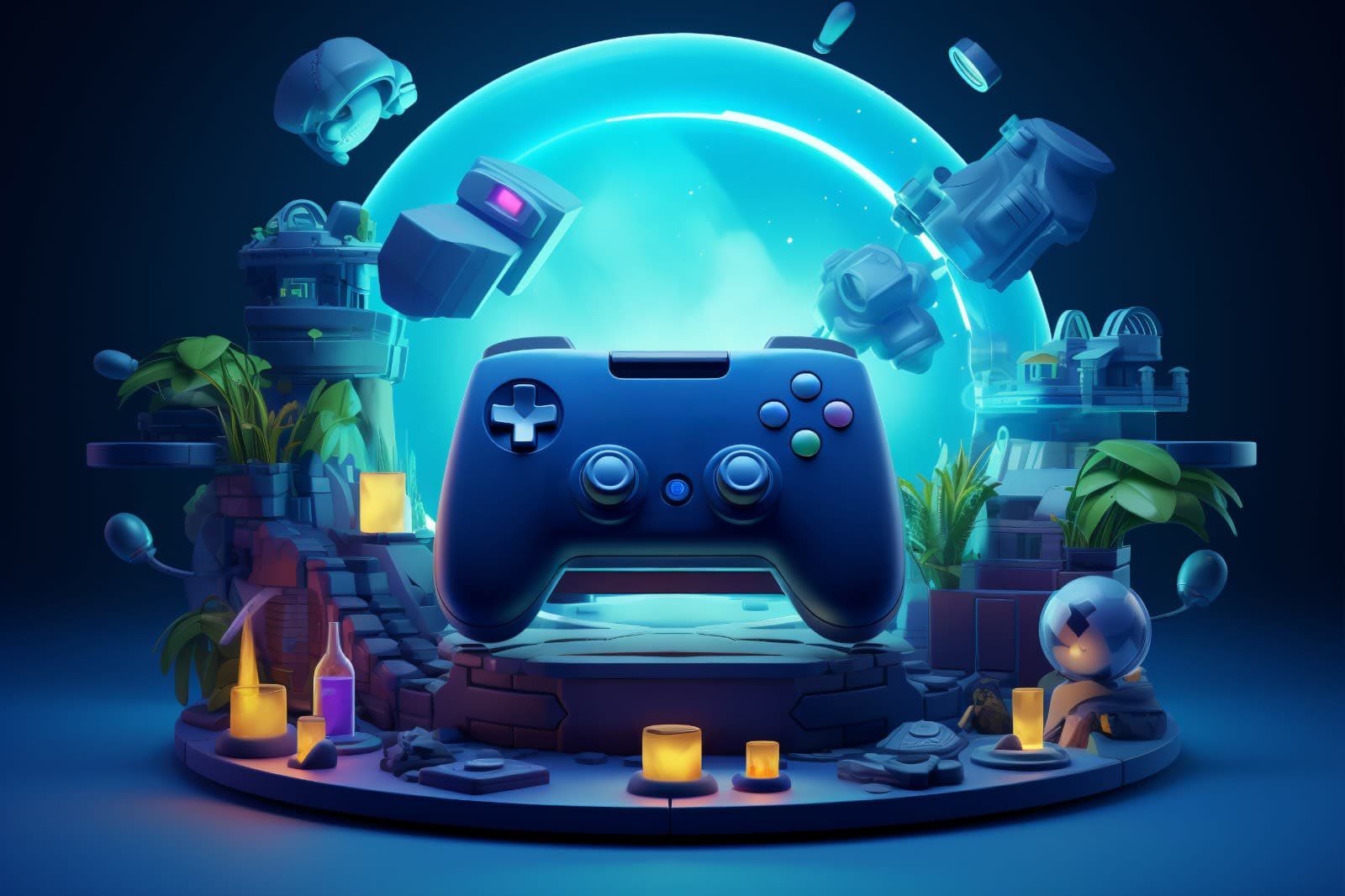
Games got bigger, prettier and far more complicated, and two disciplines carry that weight between them. Game design decides what the player feels. Game engineering decides whether the machine can deliver it at a stable frame rate. Mobile, console or PC, the player's journey is assembled at the seam where those two meet, and most arguments about games turn out on inspection to be arguments about which of the two was neglected. Neither finishes a game alone.
What design decides
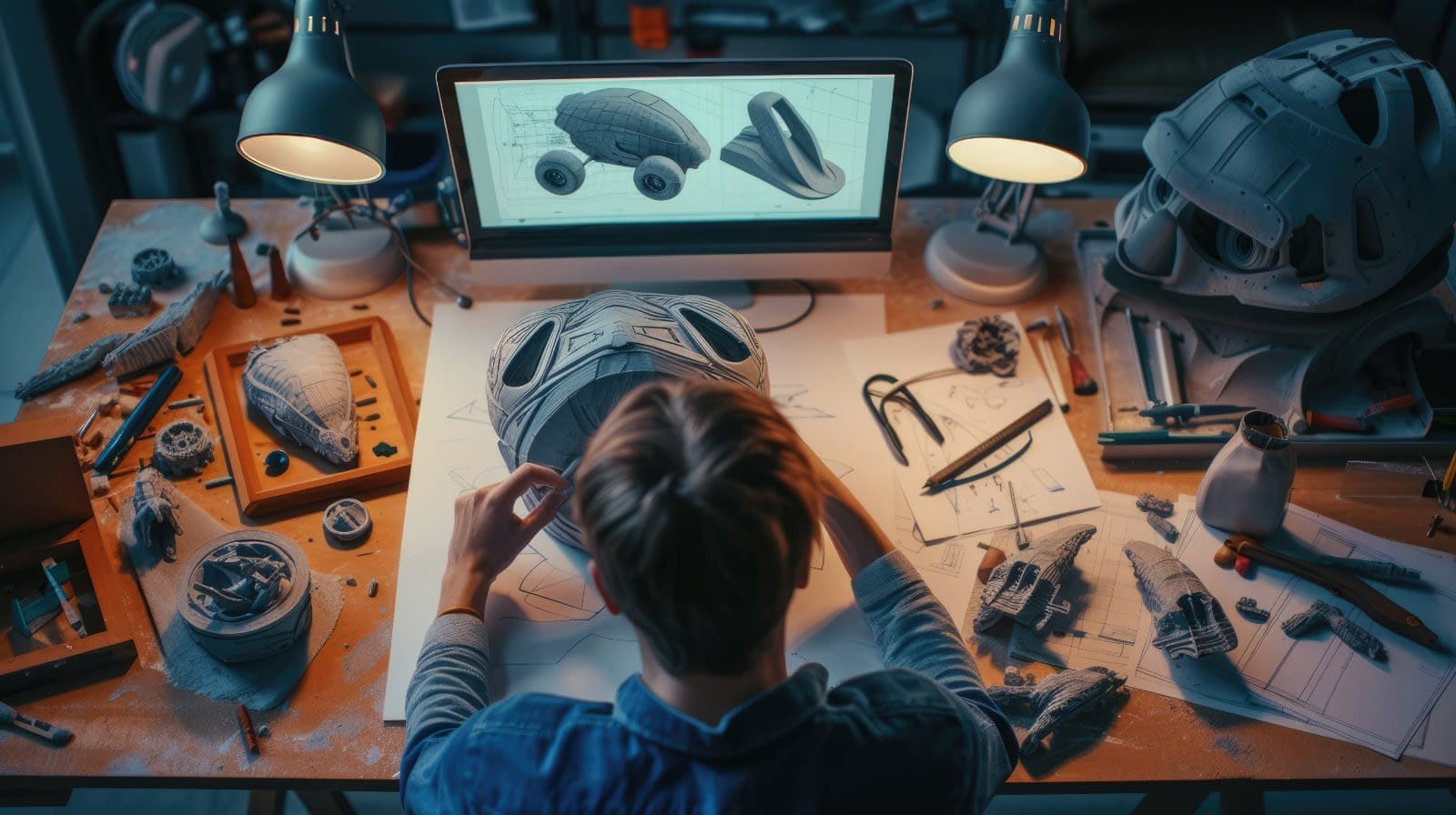
Game design is the creative force behind a game's world, mechanics and overall experience, and it settles how the game looks, feels and functions long before anyone argues about engines. Designers build the gameplay mechanics, the storyline, the characters and the levels, and the whole job is a running negotiation between creativity and usability. Nothing about that ever settles. A game that is imaginative but unplayable dies the same death as one that is usable and dull. Both are dead. Most of the craft lies in judging which side a particular decision has begun to fall toward, and correcting it before it lands.
Story comes first. A well-crafted narrative keeps players hooked whether the game is an epic adventure, a puzzle-filled mystery or a story-driven RPG, and the designer's real task is to make the storyline and the mechanics pull in the same direction rather than sit politely beside one another, which is not what happens when the story arrives after the systems are already locked. The seams show. Characters come out of the same work. Players relate to them, admire them, or fear them, and that emotional connection is the entire difference between a character and a sprite moving across a screen. Level design is where pacing lives, introducing new challenges, rewards and mechanics on a curve so that the player is always stretched and never stranded. Then there is the interface, which succeeds by disappearing. Menus, controls and in-game environments have to be read without the player stopping to think about them, because somebody frustrated by a menu does not blame the menu, they blame the game. Atmosphere is the last piece. It is built alongside artists and sound engineers, where music, sound effects and visual art set a tone the player could never put into words but would notice the absence of immediately.
What engineering decides
Design is creative work. Engineering is what turns it into something that runs, which means writing the code, building the algorithms and making the game behave consistently on every platform it ships to. Most of that effort goes into gameplay programming, where physics, AI behaviour, movement systems and interaction logic all have to respond correctly to whatever the player does, and the moment input stops feeling immediate the illusion goes with it. Graphics and animation systems sit behind that. The trick there is keeping animation smooth without letting the visual layer eat the frame budget. Games with online play add multiplayer systems, where engineers spend most of their time fighting latency so that players can connect, interact and compete in something close to real time. Latency is the enemy.
The rest is testing and optimization, which is the least glamorous part of the discipline and very often the part that decides how the finished game is received. Nobody demos it. Engineers hunt bugs, hold performance steady across devices and platforms, cut load times and keep frame rates stable. Players forgive a great deal. They do not forgive stutter, and a game that runs badly on mid-range phones has lost most of its audience before a single review is written.
Where the two meet
The two disciplines have to move together, and the failure modes run in both directions: a brilliant design collapses under performance problems, and technically immaculate code produces a boring game if nobody put a good idea into it in the first place. At Villaex Technologies we treat that collaboration as a process decision rather than something we hope will happen on its own. Our team has game designers who write the stories and the systems, and engineers who make sure those systems hold up under load on hardware players actually own. Both sit in the same room from week one. That is how a game ends up enjoyable and technically sound at once, and optimized for the range of platforms it has to run on.
If you have a game idea and need a team to carry it from concept to launch, that is the work we do, whether the target is mobile, desktop or cross-platform multiplayer. It covers the full arc of development: creative design of narratives, characters and worlds built for a specific audience, engineering tuned for performance on every platform you intend to ship to, and the optimization work that produces fast load times, few bugs and steady frame rates. Design and engineering are the two pillars holding up an exceptional game, and a studio that is honest about which pillar is currently weaker will ship something better than one that is not. The creative side gives players a reason to start. The technical side gives them a reason to keep playing, and quietly removes the reasons to stop. Tell us the concept and we will show you what it takes to build it.
Building something like this?
Tell us what runs today and where it hurts. An engineer reads it and replies.