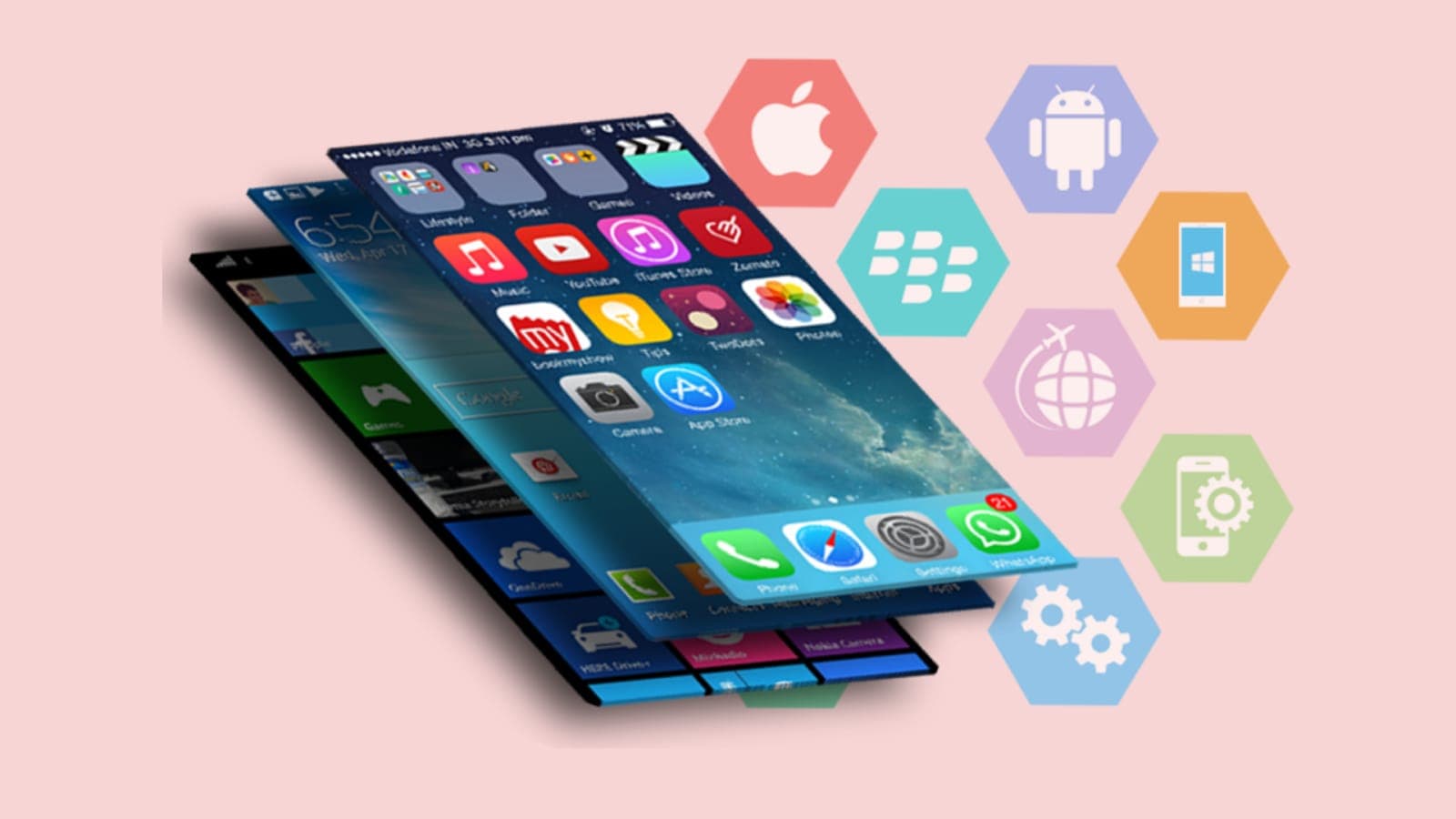
Most of what people do with technology now, they do on a phone, inside an application. The shift happened quickly. It has not stopped, which is why anyone building software for mobile has a standing reason to watch where application development is heading rather than where it has been. What follows traces the route from the first, very limited mobile applications to the ones sitting on a phone today, then looks at what is shaping the next round of them and at the openings those create for businesses and users.
How mobile applications got here
Smartphones made applications possible, but the first of them were modest things. Messaging, email, a calendar. Each was built for one of the platforms that had taken hold, mainly iOS and Android, and each did one small job. The app stores changed the economics of that arrangement. Apple's App Store and Google Play handed developers a single marketplace and a route to millions of users without a distribution deal, and the number of applications being written rose sharply as a result.
What came after was multiplication. Social networking, gaming, e-commerce, productivity, healthcare, banking: anything that could be reduced to a screen and a connection eventually found its way into a store listing. Mobile applications became part of ordinary daily life because they were both genuinely capable and always within reach, which is a combination no earlier category of software could claim.
The technologies shaping the next round
Artificial intelligence and machine learning sit behind most of what now feels intelligent in an application. Virtual assistants, recommendations that land closer to what a person actually wanted, background processes that quietly adjust to how someone uses the product: the technology improves the experience, and it removes steps the user would otherwise have taken. Augmented and virtual reality push in a different direction, toward applications you enter rather than read, and gaming arrived there first. Education and retail have been following, with interfaces that put information or products into the space around the person holding the device.
Integration with connected devices is a third strand. A quieter one. Applications now serve as the control surface for hardware of every description, from thermostats to health monitors, which has opened up home automation, remote patient monitoring and a long tail of smaller uses nobody would have built a dedicated device for. Chatbots and voice assistants belong in the same account, having become ordinary features rather than novelties, answering questions, handling support and letting someone work through an application without touching it.
What a business gets out of shipping one
An application is a direct channel to a customer, which is rare and worth more than most other ways a company reaches people. Exclusive content, recommendations drawn from real behavior, loyalty programs, a push notification that arrives at a welcome moment. These hold attention in a way that email has largely stopped doing. Commerce is the clearest return. It is also the plainest. In-app purchases and mobile payment integrations shorten the distance between wanting something and buying it, and a checkout that behaves properly on a phone lifts sales without any other change to the product.
Applications also generate a great deal of data about how people behave, and read carefully that data will tell you which features matter, where users give up and what deserves building next. It is the difference between a roadmap grounded in evidence and one grounded in the loudest opinion in the room. Internal applications deserve more attention than they usually get, because communication, task management and access to business information from wherever an employee is standing all take friction out of ordinary work. Friction removed from ordinary work compounds across a year. A single new feature rarely does.
The practices worth holding to
Design for the person who will use it. Research how they work, watch where they hesitate, gather feedback, and keep iterating until the interface stops getting in the way. Performance belongs in the same category as features, since an application is expected to open immediately and respond without delay, and a slow one gets deleted rather than tolerated. Protect the data: encrypt anything sensitive, use secure authentication, and update the application as vulnerabilities surface. Privacy has become part of the product rather than a legal afterthought.
Then keep going. A launch is the start of the work rather than the end of it, so ship new features, fix the bugs users actually report, and treat maintenance as a permanent line in the budget.
Mobile applications went from simple utilities to the main way people reach services of every kind, and what is arriving now will move them again. Businesses that follow the trends and hold to the basics of good development can use an application to get closer to customers, tidy their own operations and grow on the back of both.
Villaex Technologies builds mobile applications for businesses trying to do exactly that. Schedule a consultation and we can talk through what our mobile app development services could do for yours.
Building something like this?
Tell us what runs today and where it hurts. An engineer reads it and replies.