Where AI actually sits in an online store
Shoppers respond to a store that appears to know them. Recommendations that fit. Prices that make sense. An answer at eleven at night, when a question comes up and there is nobody on shift to take it. Artificial intelligence is what makes that affordable at any scale, and it is why the gap between a competent online store and a genuinely good one keeps widening. The work divides into four areas: personalization on the storefront, automation in the warehouse and the back office, prediction across both, and security around payments. Villaex Technologies works on all four, mostly through AI automation, cloud-based commerce builds and smart contract integration.
Personalization that shoppers act on
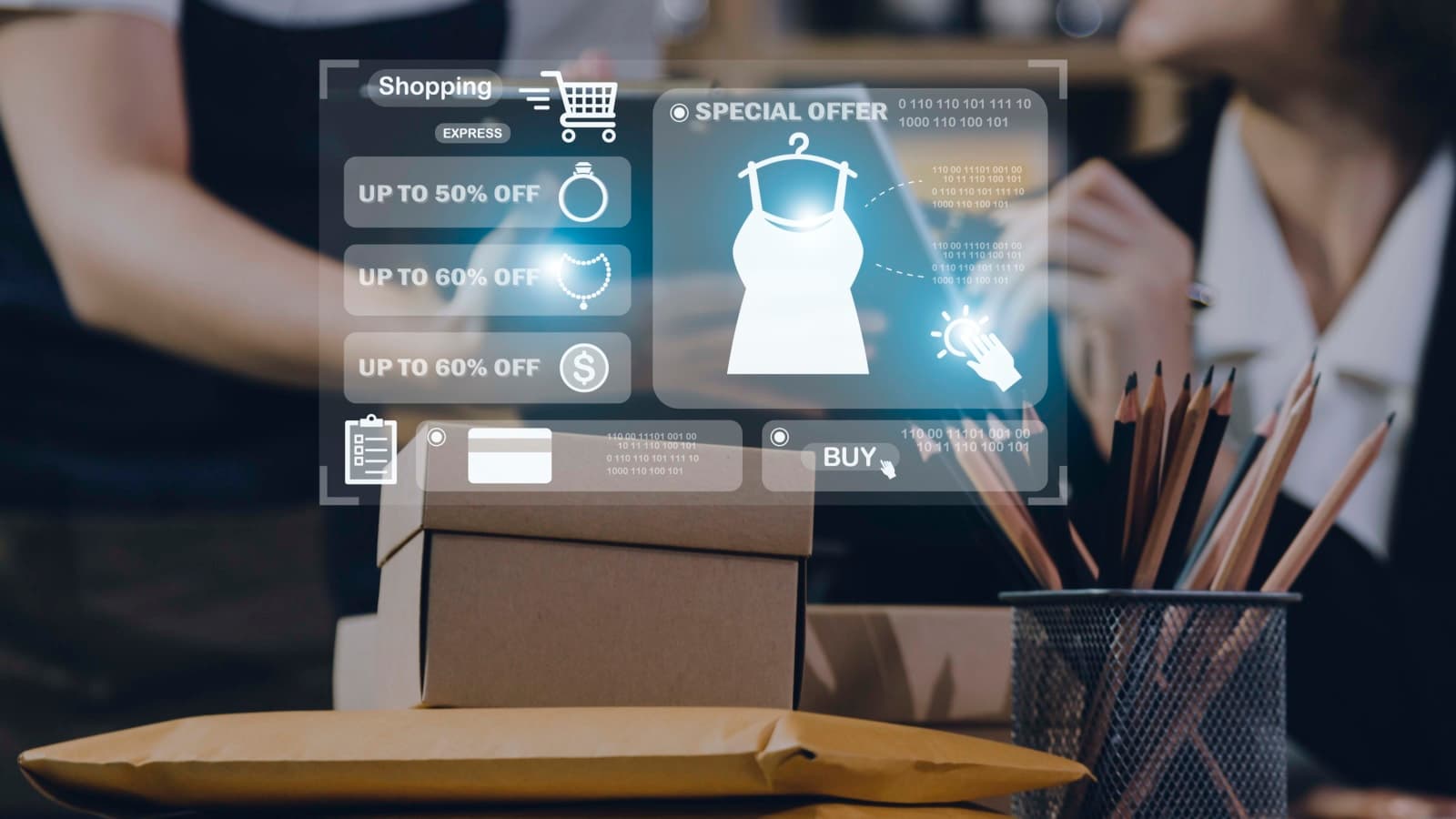
Buyers expect a store to adapt to them. Curated content, relevant suggestions, in real time. Machine learning reads browsing history, purchase patterns and engagement, then puts the products most likely to matter in front of each visitor. Pricing can move the same way, adjusting to demand, competitor activity and customer segment. Email and SMS follow the same logic, with segments built automatically and promotions matched to whatever someone was actually looking at rather than whatever the merchandising team wants to shift this week. Chatbots and virtual shopping assistants hold up the other end. They answer questions. They walk people through the purchase.
Amazon is the reference implementation. Its algorithms tailor recommendations to each shopper across the whole site, and every large retailer has since copied the pattern. We integrate personalization tools into storefronts that already exist. For a store with plenty of traffic and weak conversion, it is usually the quickest fix available, and the one whose effect shows up in the numbers fastest.
Inventory and orders that run themselves
Running a store by hand costs time and produces mistakes. Demand forecasting is the first thing worth automating, since a model that reads past sales and seasonality keeps you from overstocking or running dry. Order processing is second. Most fulfilment errors are data entry errors. Warehouses add robotics and routing software to cut shipping delays. Fraud detection runs on the same machinery, flagging transactions that do not resemble the rest at the moment they happen rather than a week later, when the money has already gone.
Walmart forecasts product demand this way and stocks its warehouses against the forecast, which takes cost out of the supply chain. Our own work here is inventory and automation systems. Accurate stock counts, faster fulfilment, fraud caught before it turns into a chargeback.
Prediction, which is the same thing pointed forward
Predictive analytics is that same set of techniques aimed forward. It will tell you what a customer is likely to buy next, what the season is about to do to demand, which segments are worth the most, and which customers are drifting away. Churn prediction is the most underrated of the four. Knowing that a cart is about to be abandoned, or that a regular buyer has gone quiet, gives you a window in which doing something is still cheap. Netflix built its recommendation system on this kind of modelling and uses it to keep people watching. We build the analytics layer for retailers who have plenty of data and no practical way to act on it.
Voice search and conversational buying
Alexa, Siri and Google Assistant have trained a lot of people to ask for things out loud, and a growing share of those requests end in a purchase. Voice-activated shopping lets a customer search, add to cart and buy without touching a screen at all, and conversational AI handles order tracking, returns and questions inside the same session. Product listings need attention too. People do not speak the way they type. A listing written for typed search will not be found by someone asking out loud, which is the whole problem in one line. We build chatbots and voice commerce integrations for stores that want to be found and bought from this way.
Payments, blockchain and fraud
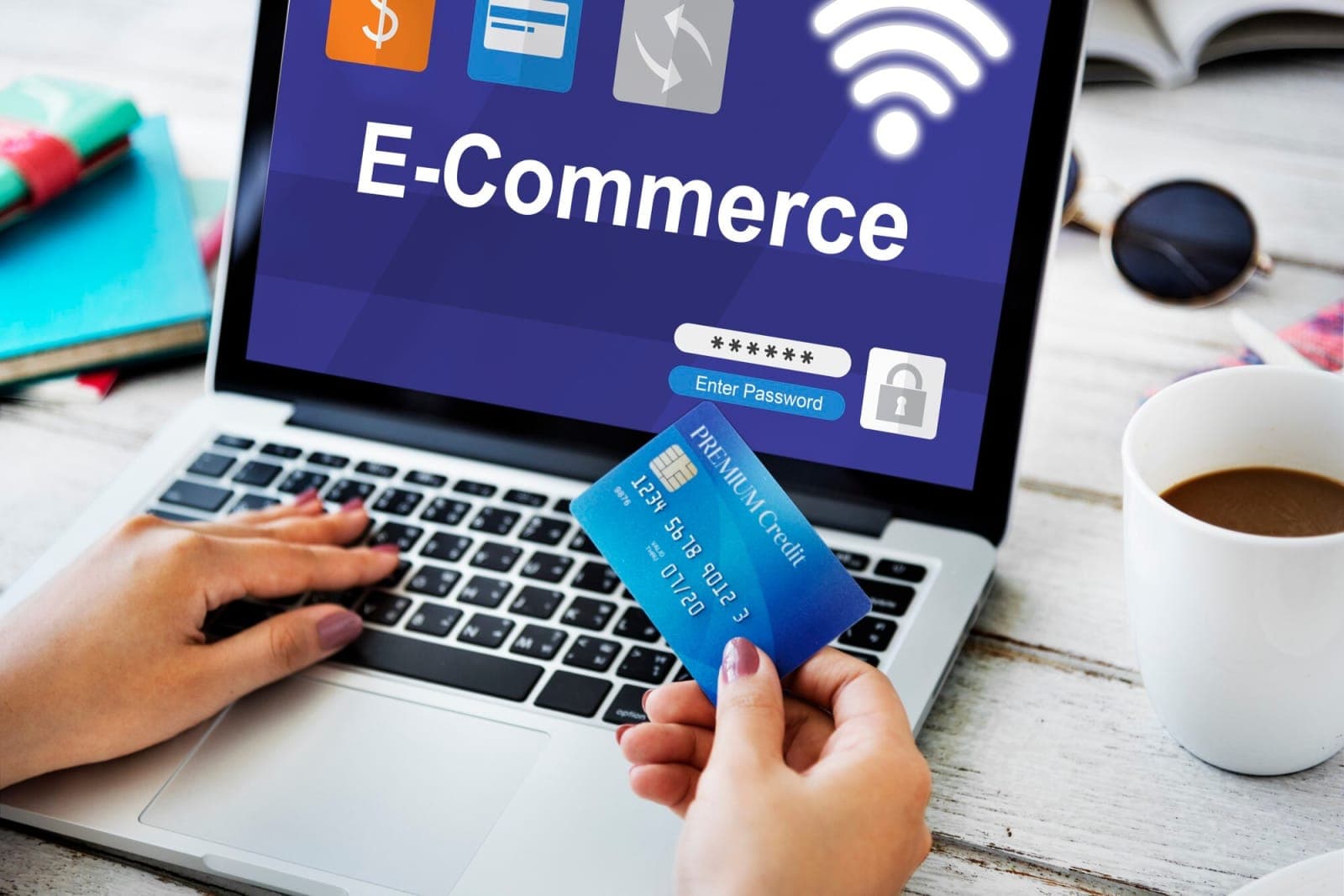
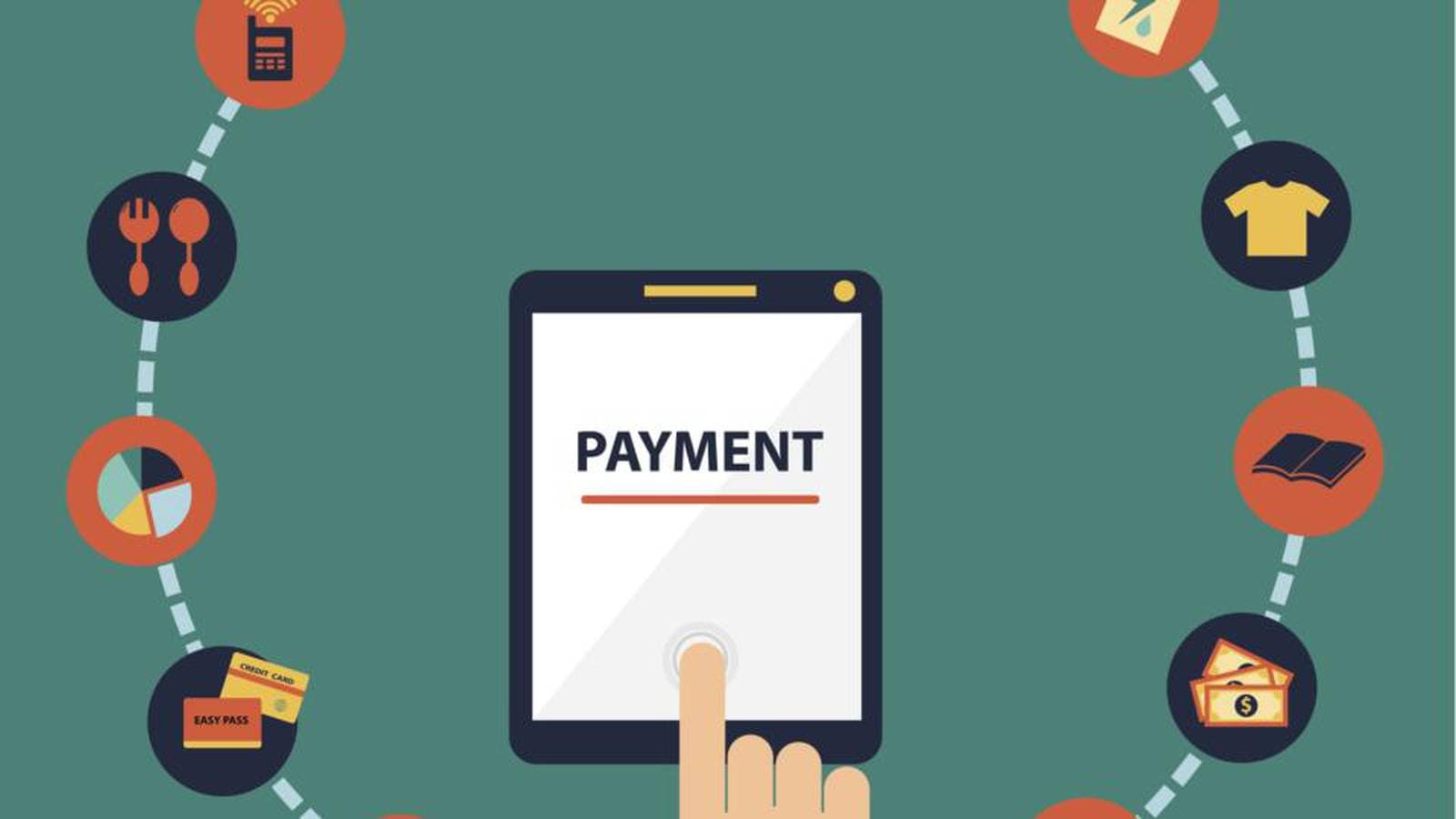
Transactions have to be secure. Provably so. Blockchain payments make them tamper-evident and decentralized, cryptocurrency included. Smart contracts execute themselves once their conditions are met, which removes an entire class of payment disputes before anyone has to argue about them. Above that sits fraud detection for unauthorized transactions and chargeback fraud, plus identity verification that makes account takeover considerably harder. Shopify already accepts cryptocurrency payments through blockchain. That is what makes fast, borderless settlement possible for its merchants. We build the same rails for stores that need their security to hold up under scrutiny.
What comes next
Four developments are close enough to plan around.
- Virtual try-on through AR and VR, so a customer can see a product in place before buying it.
- Assistants that anticipate what someone needs before they go looking for it.
- Same-day delivery routed by AI logistics, drones and self-driving vehicles included.
- Storefronts inside virtual worlds, with NFT-based ownership attached to what gets bought.
None of that removes the need for the basics. Retailers who get personalization, automation and payment security working will stay ahead of the ones who do not. Each of those later additions is also far easier to bolt on once the first three are running properly, which is the order we would work in with a client starting from scratch.
Building something like this?
Tell us what runs today and where it hurts. An engineer reads it and replies.